The mobile compaction pitch makes sense on paper: come out to your facility and compact the waste in your roll-off dumpsters, extend the time between hauls, and help you spend less on hauling. Then a common question comes to mind: if that same dumpster sits on-site longer, won’t it start to smell?
It’s a fair question, and it deserves a straight answer. For the types of commercial waste most businesses with roll-off dumpsters generate, time between hauls isn’t what drives odor issues. It’s what’s in and around the dumpster that can turn up noses.
Will Fewer Dumpster Hauls Mean More Odors?
The Quick Answer: Odors from dumpsters usually come from food waste, moisture, and overflow, not from how long that dumpster sits between hauls. Mobile waste compaction from Smash My Trash® keeps waste packed inside the dumpster instead of piling up around it, and the dry materials most businesses generate, like cardboard, crates, pallets, and packaging, aren’t major odor sources to begin with.
What Causes Odor Around a Dumpster?
Most commercial waste management odor complaints trace back to a short list of conditions, and nearly all of them come down to what goes into the dumpster and what piles up around it.
- Food and organic waste. Break room trash, food scraps, and organics decompose and are the biggest driver of foul smells.
- Moisture. Rain collecting inside a roll-off soaks cardboard and mixed waste, allowing mold and mildew to grow.
- Overflow. Waste stacked above the rim, or bags left beside the dumpster, sit exposed to winds and other weather conditions.
Notice what’s missing from that list: time. A dumpster holding dry cardboard and pallets doesn’t change much. One filled with organics and spilled debris can become a problem.
Why Dumpster Overflow Is a Problem
An overflowing dumpster is often the result of a dumpster running out of room faster than the hauling schedule accounts for. Loose, bulky materials including cardboard, crates, and packaging quickly take up space and trap air. Once the dumpster fills up, trash falls on the ground, gets stacked against the side, and the area around the dumpster spoils and attracts unwanted pests.
What Mobile Waste Compaction Does & Doesn’t Change
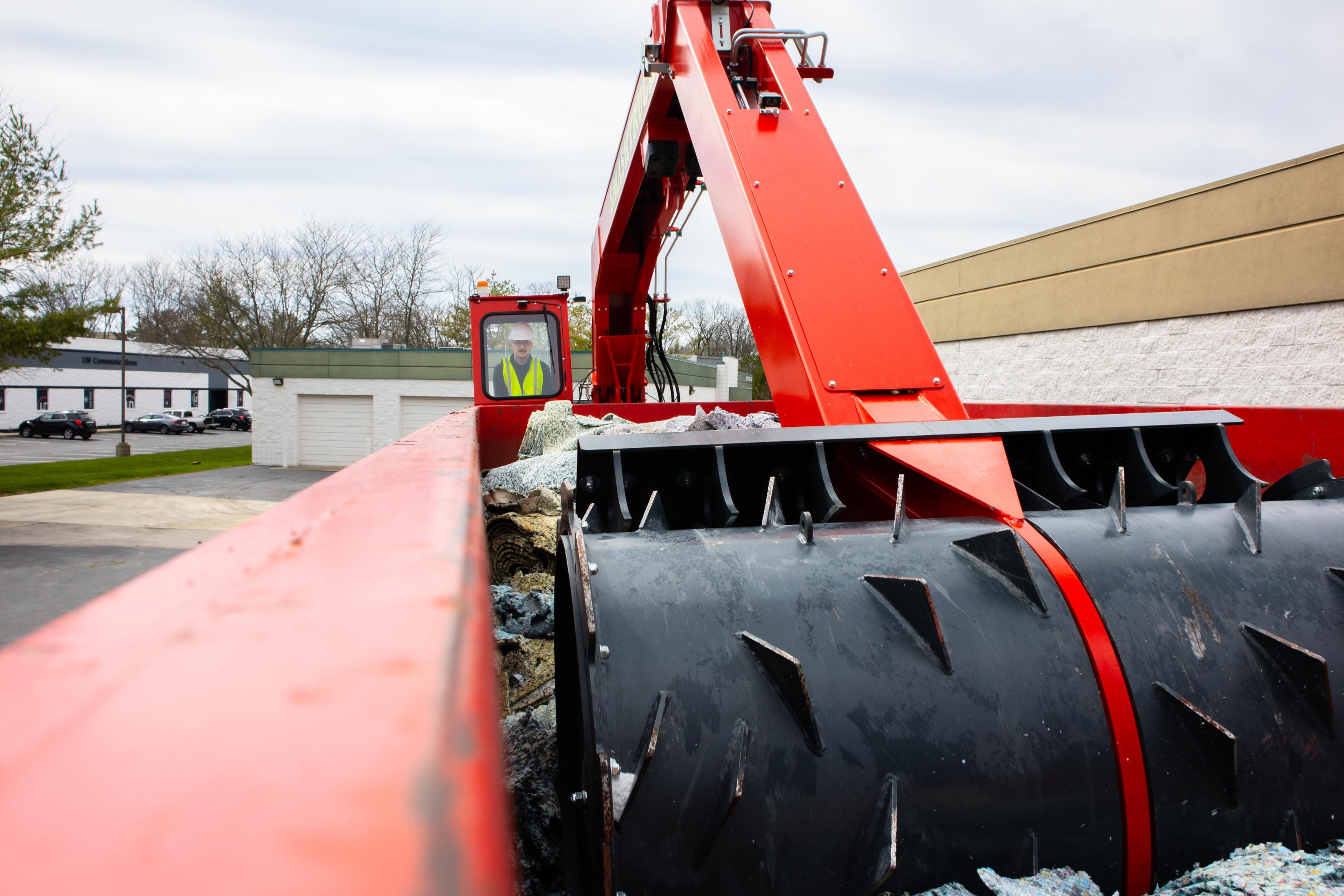
What mobile waste compaction changes: A Smash Truck® compacts the material already in your dumpster, reducing waste volume by up to 70%. With mobile waste compaction, businesses enjoy more space for waste with fewer overflows.
What it doesn’t change: Waste compaction won’t make food waste smell less. If odor is coming from what your team is throwing away, the solution probably starts before it gets tossed in the dumpster.
At Smash My Trash, our goal is to reduce dumpster hauls and cut your hauling costs. Between visits, we keep an eye on fill levels and let you know when the dumpster is genuinely ready, so you can schedule the haul at the right time instead of after waste has started spilling out.
When to Keep Commercial Waste Separate
Mobile waste compaction is built for materials that fill most roll-off dumpsters: cardboard, crates, pallets, packaging, and general commercial and mixed-use waste.
If your facility regularly generates food, organics, or wet waste, those materials belong in their own dumpster with a hauling schedule suited for them.
Practical Steps to Keep Your Dumpster Area Clean
Whatever your haul schedule, a few habits make the biggest difference:
- Keep food and wet waste out in their own dumpster, not co-mingled with the rest of your dry waste.
- Clear the grounds around the dumpster regularly, so spilled debris doesn’t sit and start to smell or attract pests.
- Park the dumpster thoughtfully, away from building entrances and air intakes whenever possible.
- Watch for holes or rust in the dumpster that let liquids seep out onto the ground, and immediately document and flag them with your hauler.
See What Fewer Hauls Look Like At Your Facility
Fewer hauls don’t have to mean a messier dumpster area. A risk-free demo from Smash My Trash shows how much extra space you can generate in your dumpsters. You’ll walk away with a clear picture of what fewer hauls and reduced waste management costs can look like.
[Schedule a Risk-Free Demo Smash]